Importing goods and customs clearance in Singapore

If you want to ship your goods to Singapore then you have to get them through customs and formally import them. This article describes a number of important aspects.

Please note that if you need help, there are various parties available to support you.

Shipping your products

If you sell physical products, you need to get them delivered into Singapore. Depending on the country you are in, this may be a challenge.

First of all you may have to pay import duties or settle VAT. There are certain thresholds for both of these charges, e.g. while importing in the EU you don’t have to pay import duties on any shipment worth less than € 150.

There may also be non-financial bariers, like certifications or approvals to be obtained. Especially for food, cosmetics or medicine this may be the case. Check this in advance, even before you invest in your marketing.

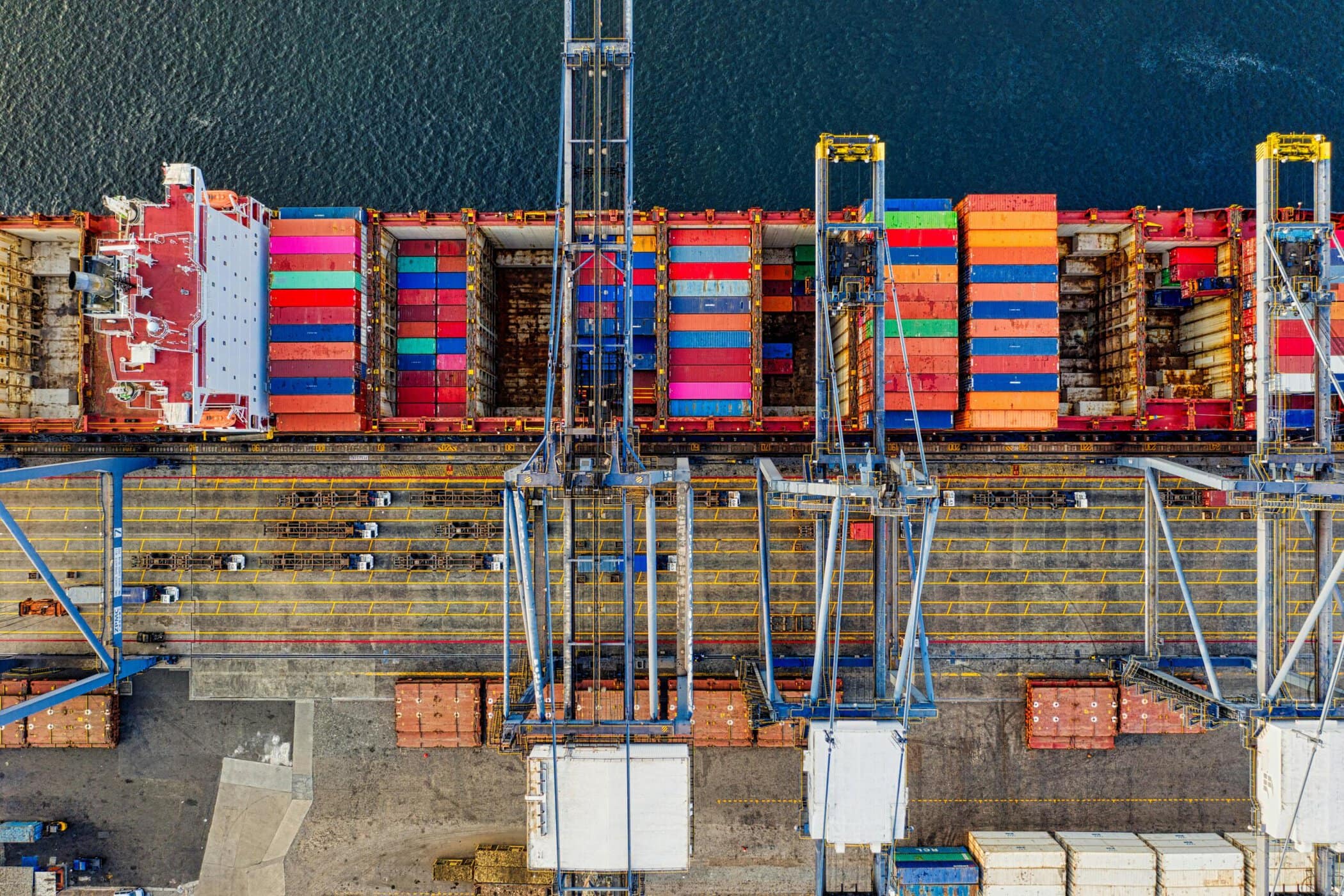
Container terminal where goods are cleared through customs

Importing goods

Singapore is a global trade hub with efficient customs processes managed by the Singapore Customs authority. It is known for streamlined procedures and modern trade infrastructure. For detailed guidance, visit Singapore Customs – Importing.

General Import Process

  1. Customs Declaration
    • Submit an import declaration via the TradeNet system, Singapore’s electronic trade platform.
    • Required documents include a commercial invoice, packing list, bill of lading or airway bill, and certificates/licenses if applicable.
  2. Import Duties and GST
    • Singapore has minimal import duties; most goods enter duty-free. Exceptions include alcohol, tobacco, motor vehicles, and petroleum products.
    • Goods and Services Tax (GST):
      • Standard rate: 8% (as of 2023, increasing to 9% in 2024).
      • Applies to the CIF (Cost, Insurance, and Freight) value plus any duties.
  3. Additional Non-Financial Requirements
    • Certain products, like food, pharmaceuticals, and electronics, require approvals from agencies like the Singapore Food Agency (SFA) or Infocomm Media Development Authority (IMDA).
    • Use the Singapore Customs Tariff Finder for product-specific requirements.
  4. Inspection and Clearance
    • Goods may undergo inspections. Clearance is usually quick (1-2 business days) if all documents are in order.
  5. Release of Goods
    • Cleared goods can be delivered locally or stored in bonded warehouses if needed.

Service Providers for Assistance

  1. DHL Singapore – dhl.com
  2. Kerry Logistics Singapore – kerrylogistics.com
  3. DB Schenker Singapore – dbschenker.com
  4. SATS Coolport (for perishables) – sats.com.sg
  5. Geodis Singapore – geodis.com

Importing Small Parcels

Singapore is well-served by couriers like DHL, UPS, FedEx, and SingPost. Shipping costs for a 2kg parcel:

  • From the USA: SGD 25-50 for economy shipping.
  • From China: SGD 15-30 for economy shipping.

Express services (2-4 days) are available at higher costs. Rates depend on the courier, destination, and urgency. Check directly with providers for accurate pricing.

Customs looks at three things

Whatever you ship, customs checks the same three things. The classification: the HS code that sets the duty rate. The customs value: the price plus, depending on the Incoterm, transport and insurance. And the origin, which can lower the rate under a trade agreement.

On top of that come the registrations: an importer number or EORI, a VAT registration or a local importer of record, and product certificates for food, cosmetics, medical devices and electrical goods.

VAlidate the HS-codes you use for shipping

Almost every country or trade block in the world has its own detailing on the international HS-code list. With our report you strongly reduce the risk on misclassifications, delays and higher custom duties than expected.

Tell us what you want to ship and where to and we ask you all relevant questions to get to the most likely code.

Importing into Singapore in three steps

Step 1

Classify and check

Determine the HS code for every product, look up the duty rate, and check which certificates or approvals the country asks for before you ship anything.

Step 2

Arrange papers

Make sure there is a registered importer, and prepare the invoice, packing list, transport document and, where it lowers the duty, a certificate of origin.

Step 3

Ship and clear

Let a customs broker file the declaration, pay duties and import VAT, and keep the documents. Customs audits can go back several years.