
 简体中文
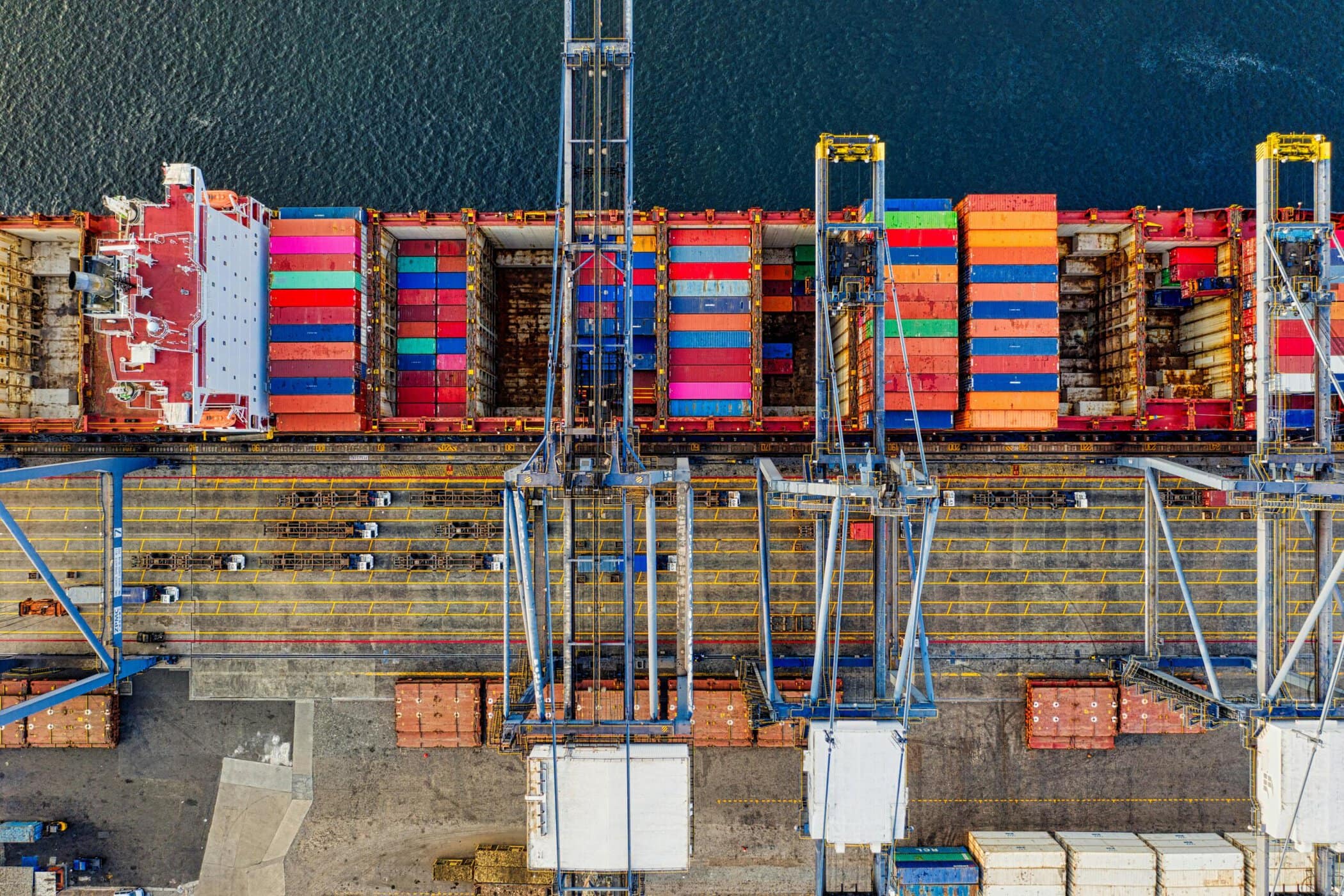
The Middle East consists of diverse countries, each with its own customs regulations, but several share common elements due to regional cooperation and international trade agreements. Customs procedures are generally governed by national authorities, but countries like the United Arab Emirates (UAE), Saudi Arabia, Qatar, Kuwait, and others align on many regulations due to agreements within the Gulf Cooperation Council (GCC).
General Import Process
- Customs Declaration
- Goods must be declared at the customs authority in the country of entry. This is usually done electronically via the respective customs systems (e.g., UAE Customs, Saudi Customs).
- Required documents include the commercial invoice, packing list, bill of lading, and possibly certificates such as a certificate of origin or health certifications for food.
- Import Duties and VAT
- Customs Duties: Import duties vary by product but generally range from 5% to 20%. Some goods may be exempt or have reduced rates due to bilateral trade agreements.
- Value-Added Tax (VAT): Most countries in the region apply VAT.
- UAE, Saudi Arabia, Qatar, Oman, Kuwait: VAT is typically 5%.
- VAT is charged on the value of goods, including CIF (Cost, Insurance, Freight) and customs duties.
- Non-Financial Requirements
- Some products require additional certifications, such as compliance with GCC Standardization Organization (GSO) regulations for specific goods (e.g., electronics, cosmetics).
- Certain goods like food, medicine, or chemicals may require approval from relevant authorities like the UAE Ministry of Health or Saudi Food and Drug Authority (SFDA).
- Inspection and Clearance
- Customs authorities may inspect goods to verify compliance. This can take anywhere from a few hours to several days depending on the goods and documentation.
- Release of Goods
- Once cleared, goods can be transported to their destination within the country or stored in bonded warehouses.
Key Service Providers
- DHL Middle East – dhl.com
- Kuehne+Nagel Middle East – kuehne-nagel.com
- Agility Logistics – agility.com
- Aramex – aramex.com
- UPS Middle East – ups.com
Importing Small Parcels
For small parcels, major couriers such as DHL, UPS, FedEx, and local postal services handle shipments efficiently. Typical costs for a 2kg parcel:
- From the USA: $25–$50 for economy services.
- From China: $20–$40 for economy services.
Express shipping options are available at higher rates. Rates depend on the destination and urgency of delivery.