
 العربية
 简体中文
 Français
 Italiano
 Português
 Español
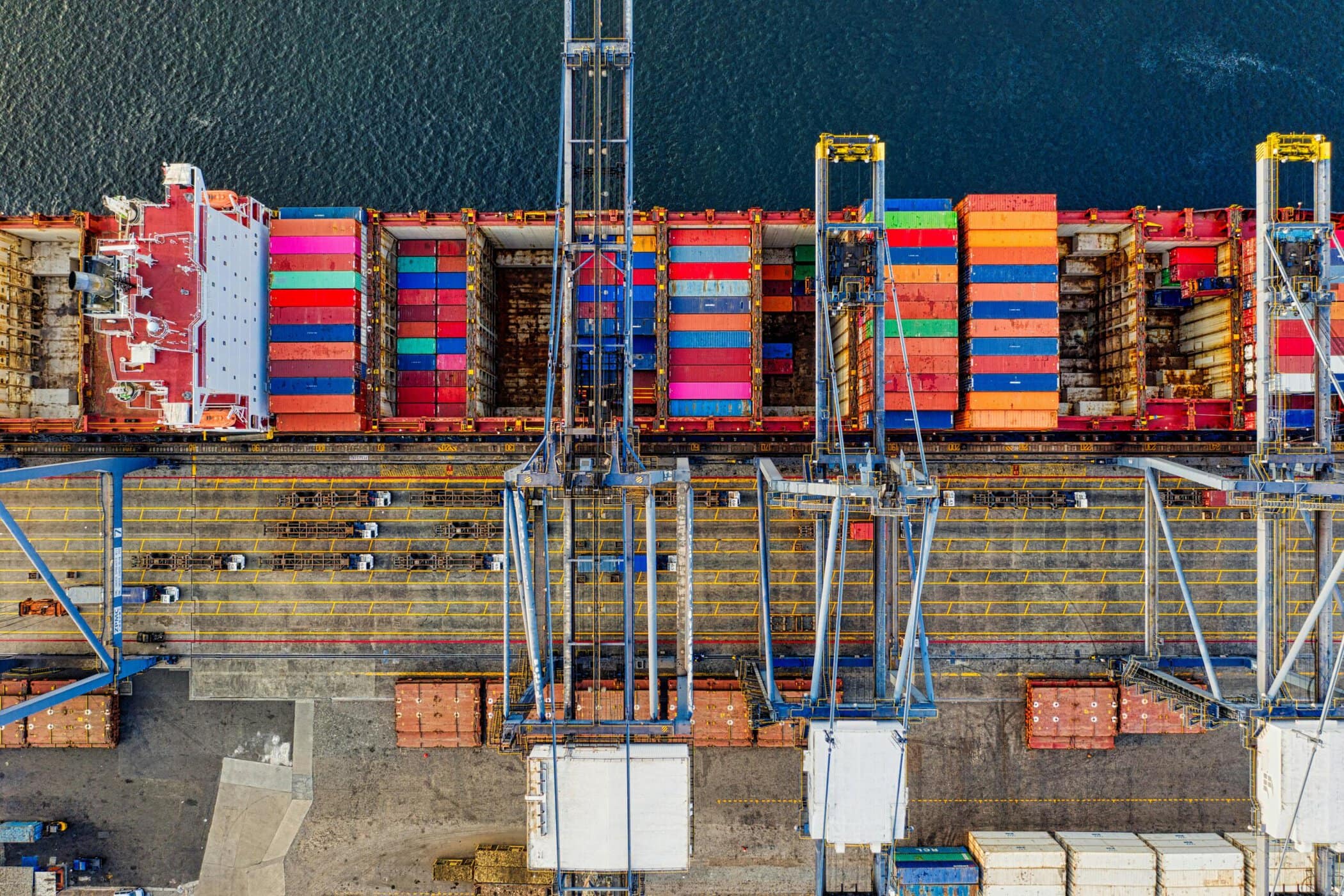
Importing goods into Germany involves adhering to EU customs regulations, as Germany is a member state of the European Union. Customs operations are managed by the Zollverwaltung (German Customs Administration). The English version of their website offers guidance on duties, procedures, and forms: German Customs – English.
General Import Process
- Customs Declaration
- Submit an Import Declaration electronically through the ATLAS system (Automated Tariff and Local Customs Clearance System).
- Required documents include the commercial invoice, bill of lading, and packing list.
- Import Duties and VAT
- Duties are calculated using the EU TARIC database (TARIC Calculator).
- VAT rates are as follows:
- Standard rate: 19%.
- Reduced rate: 7% for goods like food, books, and pharmaceuticals.
- Additional Non-Financial Requirements
- Check the Access2Markets portal (Access2Markets) for specific import requirements, such as health, safety, and labeling rules.
- Inspection and Clearance
- Goods may be inspected. Processing time is generally 1-3 days if documents are in order.
- Release of Goods
- Once cleared, the goods can be transported to their destination within Germany or the EU.
Service Providers for Assistance
- Dachser – dachser.com
- Hellmann Worldwide Logistics – hellmann.com
- Gebrüder Weiss – gw-world.com
- Schenker Deutschland AG – dbschenker.com
- Alpha Customs Services – alpha-customs.de
Importing Small Parcels
For small parcels, major couriers like DHL, UPS, FedEx, and Hermes operate in Germany. Typical shipping costs for a 2kg parcel:
- From the USA: €25-€50.
- From China: €15-€30 for economy services.
Express options (3-5 days) are available at higher rates. Rates vary by provider, so consult their websites for detailed pricing.