
 العربية
 简体中文
 Français
 Italiano
 Português
 Español
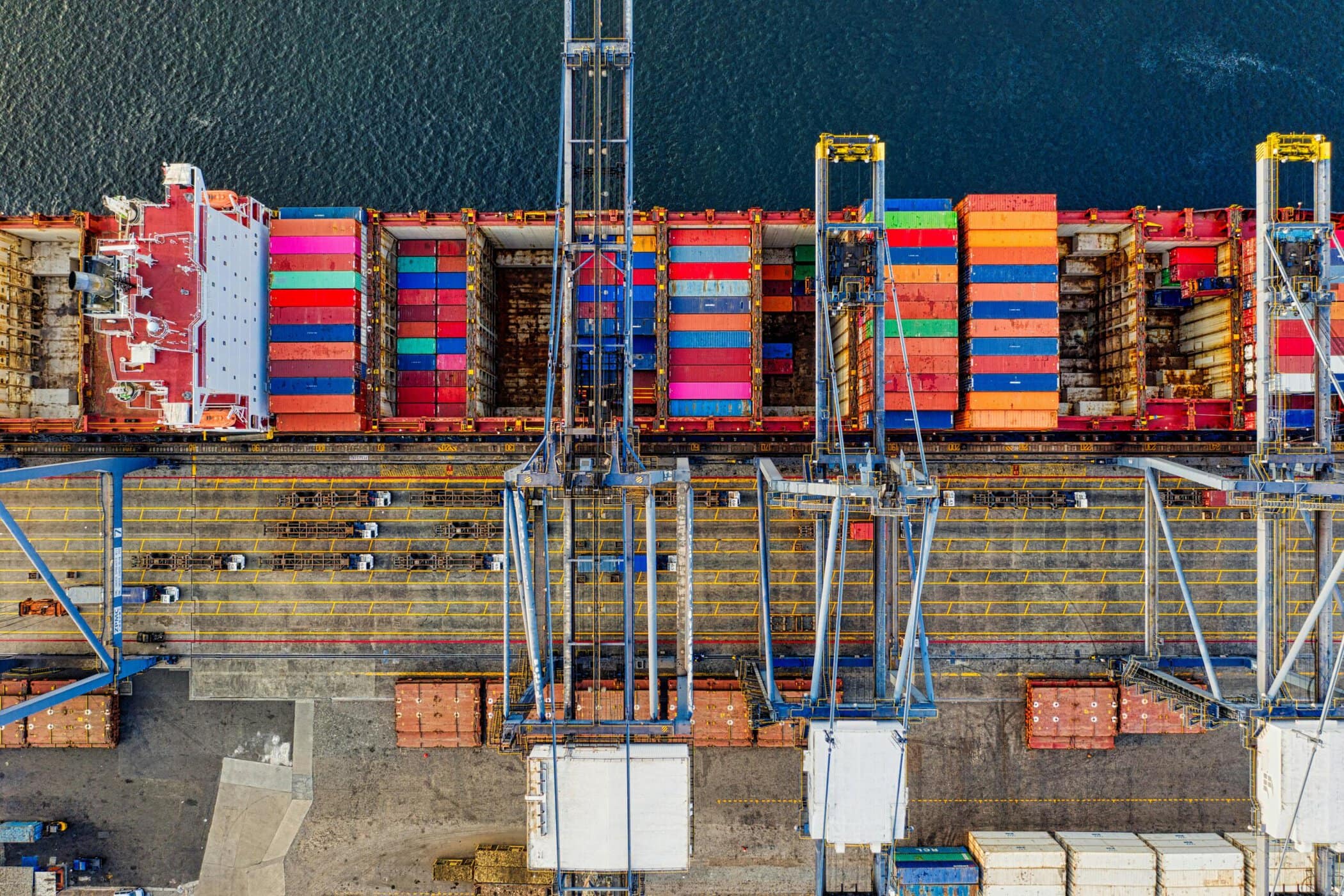
The European Union (EU) operates as a single customs union, meaning goods can move freely between member states without customs duties or additional barriers once they are cleared for entry into the EU. The process of importing goods into the EU is regulated by EU Customs Law, which includes a harmonized set of rules and procedures across member states. However, each EU country still has its customs authority to manage the enforcement of these rules locally.
General Import Process into the EU
- Customs Declaration
- The customs declaration must be submitted electronically to the customs authority in the EU country where the goods enter (the first point of entry). This is typically done via the Customs Handling of Import and Export Freight (CHIEF) system or the Import Control System (ICS).
- A variety of documents are required, including a commercial invoice, packing list, bill of lading, and potentially specific certificates depending on the type of goods (e.g., origin certificate, phytosanitary certificates, or certificates of conformity).
- Import Duties and VAT
- Customs Duties: Import duties are based on the HS code (Harmonized System code) and the customs value of the goods, which is determined by the cost of the goods, transport, and insurance (CIF). The EU has a Common Customs Tariff, which sets duty rates for different products. You can check duties through the EU TARIC database.
- Value Added Tax (VAT):
- The standard VAT rate in most EU countries is 21%. However, many countries apply reduced VAT rates for certain goods like food, books, and medicines.
- In the EU, VAT is applied to both the value of the goods and any import duties, so it is important to calculate VAT on the full cost (CIF + duties).
- Example reduced rates:
- Germany: 7% for food, books, and medicines.
- France: 5.5% for food and certain other products.
- Italy: 4% for basic food items, books, and newspapers.
- Import Control Procedures
- Customs Compliance: In addition to financial considerations, the EU enforces strict non-financial requirements, such as compliance with health, safety, and environmental standards. Certain goods may need to meet EU regulatory requirements (e.g., CE marking for electronics, REACH compliance for chemicals, or conformity to EU safety standards for consumer products).
- Health and Safety Checks: Agricultural products, food, plants, and animals are subject to health and safety checks to prevent the introduction of pests and diseases. The European Food Safety Authority (EFSA) and European Medicines Agency (EMA) also regulate imports in their respective areas.
- Product-Specific Certificates: For some goods, like alcohol, tobacco, or pharmaceuticals, special certifications or licenses are required. These may be needed before the goods can be imported into the EU.
- Inspection and Clearance
- Customs authorities can inspect the goods to ensure compliance with all regulations. Non-compliant or incorrectly declared goods may be delayed, fined, or seized.
- The clearance time depends on the customs procedures in the specific EU country of entry and whether the goods are flagged for inspection. Generally, customs clearance takes between 1-5 business days.
- Release of Goods
- After customs clearance, goods are released for further transport to the destination country within the EU or for storage in a Customs Warehouse or Free Trade Zone. The Union Customs Code (UCC) facilitates the movement of goods between EU countries without further customs checks once cleared at the first point of entry.
Service Providers for Import Assistance
Various logistics companies and customs brokers provide comprehensive services to manage imports into the EU, from paperwork to shipping and delivery. Some of the prominent providers include:
- DHL Global Forwarding – dhl.com
- Kuehne+Nagel – kuehne-nagel.com
- DB Schenker – dbschenker.com
- Toll Global Forwarding – tollgroup.com
- XPO Logistics – xpo.com
Importing Small Parcels in the EU
For importing small parcels (less than 2kg), major couriers such as DHL, UPS, FedEx, and local postal services (like La Poste in France, Royal Mail in the UK, PostNL in the Netherlands, or Deutsche Post in Germany) are widely used.
Typical costs for a 2kg parcel:
- From the USA: €20-€40 for economy shipping.
- From China: €15-€30 for economy shipping.
Express shipping (2-5 days) is available at higher costs. Shipping costs depend on the courier, destination, and urgency of delivery. To get an accurate quote, check with your chosen courier.