
Find importers and wholesalers in Europe

If you want to sell your product in a country, you mostly need a wholesaler that can also act as your importer.

It strongly depends on your expectations of such an importer how easy you can find him.

If you just want to outsource the formalities and some logistics, you will easily find a party. If you look for an importer that will also find retailers or direct customers for your product, this may be more difficult.

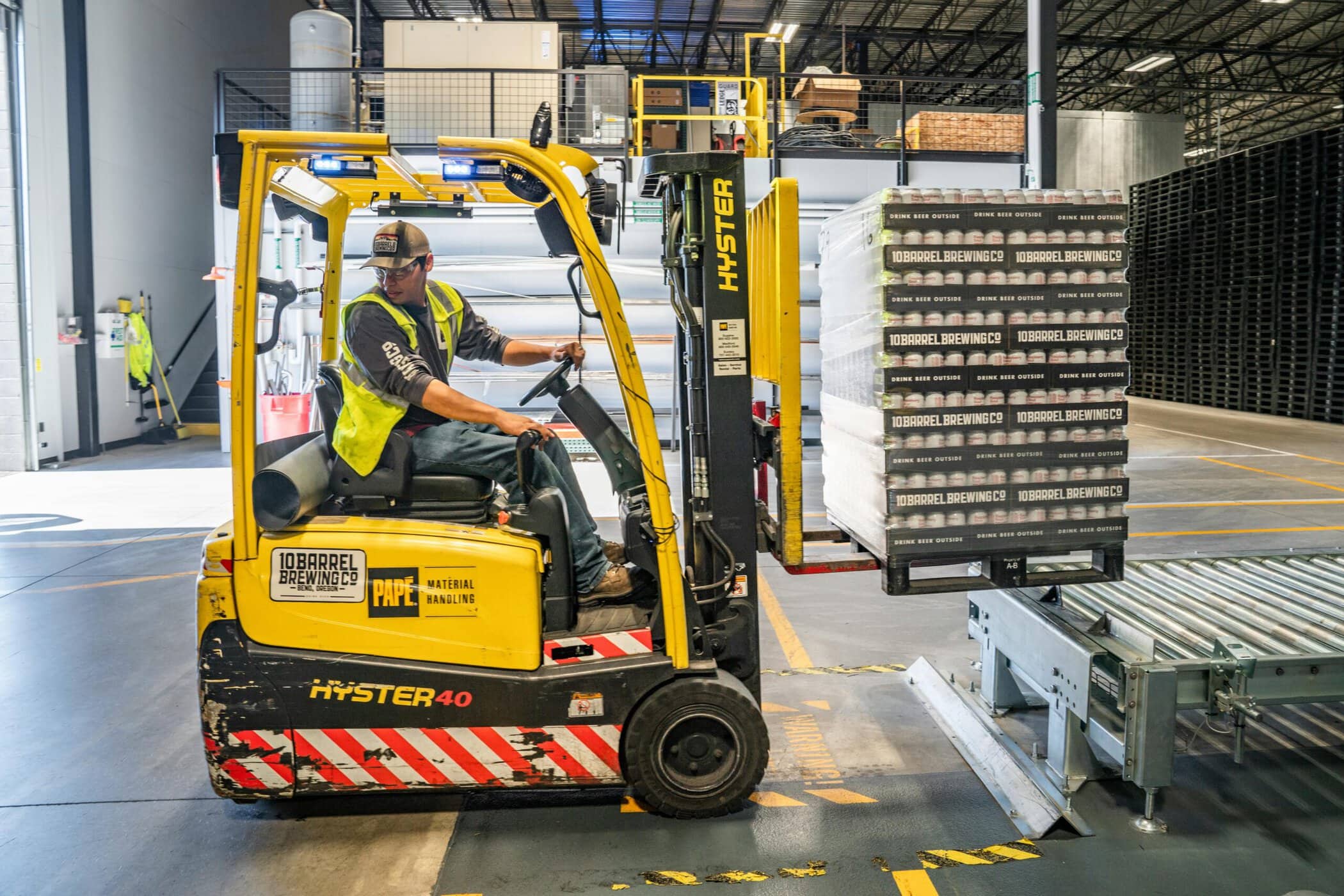
Forklift moving pallets in an importer’s warehouse

Importers and wholesalers in Europe

The European Union is a single market of 27 countries and about 450 million consumers. Goods that have been cleared through customs in one member state can move freely to the other member states.

The EU applies one common customs tariff for goods from outside the union, and many product rules, such as CE marking, food safety and chemical regulations, are harmonised. Language, consumer preferences and distribution structures still differ strongly per country.

The EU’s main imports include energy, machinery and electronics, chemicals, vehicles, raw materials and food. Many importers and wholesalers cover several countries at once, often grouped by region such as the Benelux, the DACH countries, Scandinavia or Southern Europe.

Important logistics hubs are the ports of Rotterdam, Antwerp and Hamburg, and the distribution corridors through the Netherlands, Belgium and Germany. Choosing the right entry country is therefore an important first step in your European strategy.

What an importer really does

An importer or wholesaler can take over customs clearance, storage, product checks, repacking and returns handling. Often it also acts as importer of record: the party legally responsible for the goods in the country.

Decide what you expect. A party that only handles the formalities and the logistics is easy to find. One that also actively sells your product to retailers or end customers is much harder, and will ask for margin, exclusivity or marketing support in return.

VAlidate the HS-codes you use for shipping

Almost every country or trade block in the world has its own detailing on the international HS-code list. With our report you strongly reduce the risk on misclassifications, delays and higher custom duties than expected.

Tell us what you want to ship and where to and we ask you all relevant questions to get to the most likely code.

Finding an importer in Europe in three steps

Step 1

Decide what you need

Formalities and logistics only, or active selling as well? Your answer decides which parties fit and how much margin you have to give away.

Step 2

Shortlist and check

Look for parties that already import comparable products. Check their licences, their storage, their customer base and whether they can act as importer of record.

Step 3

Agree the terms

Settle pricing, stock levels, who owns the goods, who pays duties and VAT, and how complaints and returns are handled before the first shipment leaves.