
 العربية
 简体中文
 Français
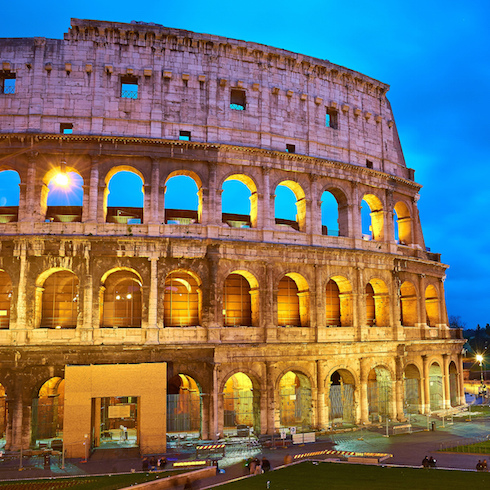
Italy is one of the larger economies in Europe, but also a country with very different regions, ranging from rich to poor. Italy has a rich cultural heritage, with Rome being one of the oldest continuously occupied cities in Europe. The country’s official language is Italian, but there are regions where German, French, and Slovene are primarily used.
As of 2024, Italy’s population is estimated at approximately 58.78 million. The country has been experiencing a population decline since its peak in 2017, with a negative growth rate due to a higher death rate than birth rate and negative net migration.
The major urban centers include Rome, Milan, Naples, Turin, and Palermo. Italy is characterized by an uneven population density, with dense populations in the Po Valley and metropolitan areas of Naples and Rome.
Italy economic overview
Italy is known for its diverse industrial sectors, ranging from fashion and luxury goods to automotive and machinery. It’s a significant player in the European and global economy.
Italy has an economy which is divided into a developed industrial north, dominated by private companies, and a less-developed, agricultural south. The Italian economy is driven in large part by the manufacture of high-quality consumer goods produced by small and medium-sized enterprises, many of them family-owned.
Business opportunities can be found in for example:
- Agrifood products: fruits, vegetables, grapes, potatoes, sugar beets, soybeans, grain, olives; beef, dairy products; fish
- Industries: tourism, machinery, iron and steel, chemicals, food processing, textiles, motor vehicles, clothing, footwear, ceramics
WHAT DO YOU NEED TO KNOW ABOUT ITALIAN BUSINESS CULTURE?
Italians put a strong emphasis on building trusting relationships. This is especially important if you want to do your business in the South of Italy, where the people value close-knit ties, personal networks, and strong bonds. On the other hand, in North Italy, while the relationship is still an essential factor, it is not a must-have prerequisite during initial phases. The North manner is more business-focused and serious while the South is relaxed and personal.
Regardless where you are, a bella figura (beautiful posture) is of paramount importance. It means you need to have a proper conduct and uphold societal formalities. Being disrespectful towards your counterparts, their country, and family can seriously harm your business.
WHAT ARE NEGOTIATION TACTICS IN ITALY?
- When you want to establish initial relationships, it is best to do this through a local representative.
- Meetings should be scheduled two or three weeks in advance.
- You should inform your counterparts about meeting attendees, the names, positions, responsibilities.
- When you are late for meetings, you need to inform your counterparts.
- During the negotiation process, you need to be patient to avoid conflict at all costs.
- The pace of discussion is slow.
- You should focus on long-term commitments and win-win solutions.
HOW MUCH IS THE CONTRACT WORTH IN ITALY?
Italian people will expect you to keep to your oral contracts. However, do note that during discussions, there may be many interim agreements, which are different from the final ones.