
 العربية
 简体中文
 Español
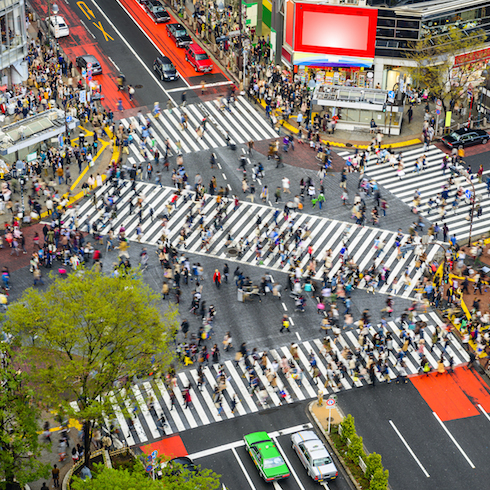
Japan is known for its unique blend of traditional and modern culture. As of 2023, Japan has a population of about 125 million. It is notable for its technological advancements, rich cultural heritage, and influential economy.
Japan’s economy, with a GDP per capita of around $40,000 USD in 2023, is one of the most advanced in the world. Major industries include automobiles, electronics, robotics, and manufacturing. The country is also known for its strong emphasis on research and development.
Japan’s primary imports are machinery and equipment, fossil fuels, foodstuffs, chemicals, and raw materials for its industries.
Key cities include Tokyo, the capital and world’s largest metropolitan area; Osaka, known for its modern architecture and nightlife; Kyoto, famous for its historic temples and traditions; and Yokohama, a major port and commercial hub.
Opportunities in retail in Japan
The Japanese retail industry is dubbed as being a sophisticated market and is the 3rd largest market for fashion after China and USA. Over the years, the country’s retail sector has been exhibiting moderate growth. Currently, there are around 3,124 shopping malls, 52,417 convenience stores and 240 department stores spread across Japan. In the Shinjuku Isetan Department Store Alone, retail sales amount to about 900 million JPY per day.
Japan’s home furnishings sector
The country recently suffered from deflation, a decrease in the price level of goods and services. One of the affected sectors was the home furnishing market which experienced a downward trend. But as the housing market is picking up, the home furnishing sector is also starting to recover. In the mid-price segment, competition is not so stiff which gives opportunities for business brands to target customers looking for high-quality products with value for money.
Japan Skin care market
Japan is globally famous for its advanced skincare market. It is popular for its premium products, the overall value of which amount to 1500 billion JPY. These items include serums, scalp care products, moisturizers and more. The men’s care segment amounts to 150 billion JPY. With Japanese brands known for their effective products, the country is projected to occupy the largest skincare market in Asia.
Consumption of food in Japan
Based on the data from MAFF, Food Balance, the following comprise the consumption percentage share of the Japanese:
- Food Grain (32%)
- Vegetables (14%)
- Dairy Products (11%)
- Seafood (7%)
- Fruits (7%)
- Meat (5%)
- Others (24%)
47% of Japanese consumers shop for their grocery requirements at supermarkets while 32% of customers prefer GMS and 7% go to CVS. Smaller supermarkets account for 5% of the total consumption market share in the country.
The senior citizens market in Japan
Apart from capturing the retail opportunities for the younger group, there is an untapped elderly market. Over the years, the elder age bracket in Japan has purchasing power. On an average, the savings of the elderly group amount to about 30 million JPY. One-fourth of the country’s population is comprised of elders aged 65 years old and more.
Opportunities in the Japan ICT sector
Asia is considered to be the biggest regional cell phone market. The Asia-Pacific region accounts for more than half of the world’s share when it comes to mobile phone shipments. In the region, Samsung has the highest market share. In Japan, Apple has the highest market share with more than 34% of individuals who prefer to use Apple phones. Japanese companies and other global brands have the following market share:
- Sharp – 15%
- Sony – 14%
- Fujitsu – 10%
- Samsung – 8%
- LG, NEC, Panasonic make up 10% of the market share